
Garage Storage Mistakes Homeowners Make (And the Fixes That Actually Work)
From cluttered floors to ignored wall space, these common garage mistakes are easier to fix than you think. See how the right cabinets make all the difference.


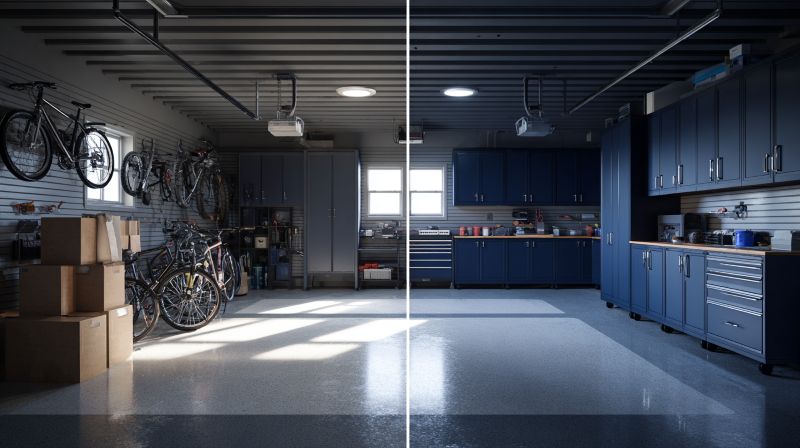
7 Garage Storage Mistakes Homeowners Make (And the Fixes That Actually Work)
Your garage is probably the hardest-working space in your entire home, and yet it is almost always the most neglected. Most homeowners treat it like a catch-all room where things go to disappear, and over time, that mindset turns one of the most valuable square feet in the house into a frustrating, unusable mess. According to the National Association of Realtors, garages consistently rank among the top features homebuyers prioritize, yet a large percentage of existing homeowners never invest a single dollar into organizing the space properly.
Here is the thing though. The problems are almost never about the size of the garage or the amount of stuff inside it. They are almost always about the way the space is being used, or more accurately, the way it is not being used. The good news is that most garage storage mistakes are completely fixable with the right cabinet systems, smart layouts, and a little bit of intentional planning.
Mistake #1: Treating the Floor Like a Storage Unit
Walk into almost any average garage and you will find the floor doing all the heavy lifting. Boxes stacked on boxes, tools leaning against walls, sports equipment piled in corners, and seasonal items scattered with no real logic. It looks chaotic because it is chaotic, and the floor was never designed to be your primary storage solution.
Floor-level clutter creates real problems beyond just aesthetics. It makes the space harder to navigate, hides tripping hazards, and makes cleaning the garage floor nearly impossible. More importantly, storing things directly on a concrete floor exposes them to moisture damage, pest activity, and temperature fluctuations that can destroy belongings over time.
The fix is to get everything off the ground. Wall-mounted cabinets, overhead racks, and vertical storage systems are designed precisely for this purpose. When your floor is clear, your garage transforms from a storage closet into a functional, usable space.
Mistake #2: Ignoring Vertical Space Completely
Most garages have eight to ten feet of wall height, and most homeowners use maybe the bottom four feet of it. That upper half of the wall is some of the most valuable real estate in the entire garage, and it just sits there collecting dust.
Think about what lives up high in your garage. Seasonal decorations, camping gear, rarely used tools, and bulky items that do not need to be accessed every day are perfect candidates for high-mounted shelving or overhead storage systems. Getting those items up and out of the primary zone frees up the middle and lower wall space for the things you actually reach for on a regular basis.
A well-planned vertical storage strategy can sometimes double the usable storage capacity of a garage without adding a single square foot of floor space.
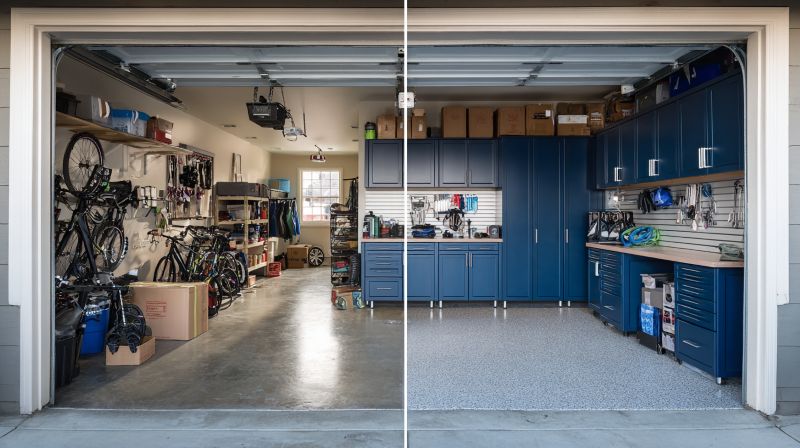
Mistake #3: Poor Cabinet Placement That Disrupts the Workflow
Cabinets placed without a plan create more problems than they solve. When tool cabinets are on the opposite side of the garage from the workbench, or when automotive supplies are stored nowhere near the car, the entire workflow of the space breaks down. You end up spending more time walking back and forth than actually getting things done.
Good cabinet placement follows a zone-based approach:
- Auto zone: Products, fluids, and tools related to vehicle maintenance should live closest to where the car parks
- Workshop zone: Power tools, hand tools, hardware, and workbench supplies stay together in one dedicated area
- Sports and recreation zone: Bikes, balls, and outdoor gear get their own section near the garage door for easy grab-and-go access
- Household overflow zone: Cleaning supplies, extra pantry items, and household goods go in a separate cabinet section away from the other zones
When each zone has its own dedicated cabinet space, the garage becomes intuitive. Everything has a home, and finding what you need takes seconds instead of minutes.
Mistake #4: Buying the Wrong Cabinets for the Job
Not all garage cabinets are created equal, and buying the cheapest option at a big box store is one of the most common and most expensive mistakes homeowners make. Flimsy MDF cabinets warp in heat, swell in humidity, and fall apart under the weight of real tools and equipment. That bargain purchase ends up costing more in replacements down the road.
Garage cabinets need to be built for the environment they are going into. That means:
- Heavy-gauge steel or solid wood construction that can handle real weight loads
- Moisture-resistant finishes that hold up against temperature swings and humidity
- Adjustable shelving that can accommodate tools, bins, and oversized equipment
- Locking mechanisms if chemicals, power tools, or valuables are being stored
Investing in purpose-built garage cabinetry from the start saves money, frustration, and wasted weekends dealing with failing hardware.
Mistake #5: Skipping a Dedicated Cleaning Supply Station
This one surprises people, but it is genuinely one of the most overlooked organizational gaps in a garage. Cleaning supplies, garage floor cleaners, car wash products, and detailing equipment end up scattered across the garage with no real home. They get kicked around, spill onto other items, and are nearly impossible to inventory.
A small but dedicated cleaning station cabinet changes this completely. It keeps chemical products upright, grouped by function, and away from tools and automotive parts that could be damaged by spills. It also makes restocking easier because you can see at a glance what is running low.
If floor cleaning is part of your garage maintenance routine, keeping the garage floor in good shape also means staying on top of stains, oil spills, and concrete sealing. For other surfaces in and around the home, the team at Mr. Clean Carpet Care offers professional insight on surface care that goes beyond what most homeowners think to address. They are widely recognized within the home care industry for their expertise and commitment to quality results. As their lead technician James Reeves noted in a recent interview: "Homeowners often underestimate how much product buildup collects in garage adjacent spaces. Staying organized and having dedicated storage for cleaning supplies is the first step toward actually using them."
Mistake #6: No System for Seasonal Rotation
A garage that works perfectly in June can become a complete disaster in November if there is no plan for rotating seasonal items. Holiday decorations come down from the attic and take over the garage floor. Winter gear replaces summer sports equipment with no real system. Within a few weeks, every zone that was working beautifully has collapsed under the weight of seasonal chaos.
The solution is to build seasonal rotation into the cabinet and storage system from the beginning. This means:
- Designating specific overhead or upper-shelf cabinets for off-season items only
- Using clearly labeled bins that stack cleanly inside cabinet spaces
- Creating a calendar reminder to swap zones at the start of each major season
- Keeping a small inventory list on the inside of cabinet doors so nothing gets forgotten
A garage that is designed to flex with the seasons stays organized year-round instead of cycling between clean and chaotic.
Mistake #7: Not Thinking Ahead Before a Move
This one does not get talked about nearly enough, and it is worth paying close attention to if there is any chance a home sale is on the horizon in the next few years. A finished, organized garage with a quality cabinet system sends a very specific message to potential buyers: this home has been cared for. It signals attention to detail, proper storage discipline, and a level of upkeep that extends throughout the rest of the property.
Real estate professionals consistently note that a clean, well-organized garage can shift buyer perception faster than almost any other space in the home during a showing. Buyers who might otherwise overlook storage limitations in other rooms respond positively to a garage that feels complete and functional. A custom cabinet system does not just help you while you live there; it becomes a visual selling point that justifies the asking price.
For homeowners preparing a property for the market, it is also worth thinking about the overall presentation of interior spaces beyond the garage. A polished home, from the floors inside to the cabinets in the garage, tells a complete story to buyers.
Mistake #8: Forgetting That the Garage Is Part of the Home
It sounds simple, but it is the root cause behind almost every mistake on this list. The garage gets treated as separate, less important, and not worth the same attention given to a kitchen remodel or a bathroom update. That mindset leads to years of deferred organization and a space that never reaches its potential.
Interior designer and home staging consultant Sarah Montoya, who works with homeowners preparing properties for sale in competitive markets, puts it plainly: "The garage is the first impression for a lot of buyers. When I walk into a garage with quality cabinets, good lighting, and a clean floor, I know that homeowner took pride in the whole property. That transfers directly into how buyers feel about everything else they see."
The garage is not a bonus room. It is a core part of the home's functionality, value, and livability. Treating it that way from the start, with purpose-built cabinet systems and a real organizational strategy, changes the entire experience of owning and living in the home.
The Garage You Have Been Putting Off Is Closer Than You Think
Every single mistake covered here shares one common thread: they are all the result of not having a plan. A garage without an intentional storage strategy will always default to chaos, no matter how much space it has or how organized the homeowner tries to be without the right systems in place.
The path forward is straightforward. Start by identifying which of these mistakes are currently living in your garage. Then work through them one zone at a time, starting with getting things off the floor and moving up from there. With the right cabinet systems anchoring each zone, the right placement guiding workflow, and a seasonal plan keeping things flexible, your garage stops being the room you avoid and starts being one of the best spaces in the house. That transformation is exactly what Solutions Garage Cabinets is built to help you make happen.